Musculoskeletal Disorder (MSD)
Musculoskeletal Disorder (MSD)
Seafarers were reported to suffer from serious disorders related to muscular and skeleton structure of their body. MSD is a main cause for many seafarers to take longer breaks from sea life, sometimes even leading to disability. As they say prevention is better than cure, exercise and stretching is recommended to prevent Musculoskeletal Disorder.
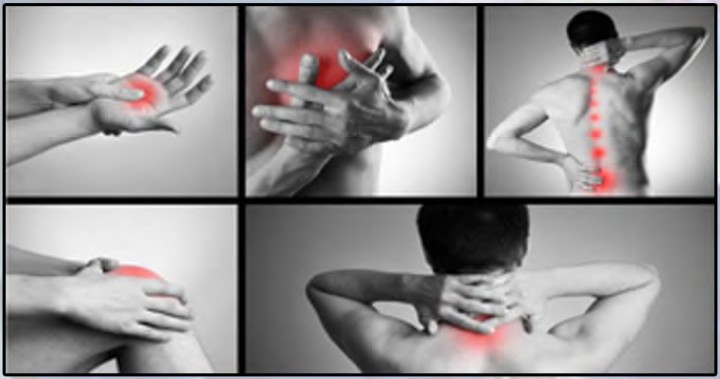
Musculoskeletal disorders usually affect the back, neck, shoulders and upper limbs, but lower limbs can also be affected. They cover any damage or disorder of the joints or other tissues. Health problems range from minor aches and pains to more serious medical conditions requiring time off or medical treatment. In more chronic cases, they can even lead to disability and the need to give up work.
The Cause of Musculoskeletal Disorders – Exposure to Risk Factors
When a worker is exposed to MSD risk factors, they begin to fatigue. When fatigue outruns their body’s recovery system, they develop a 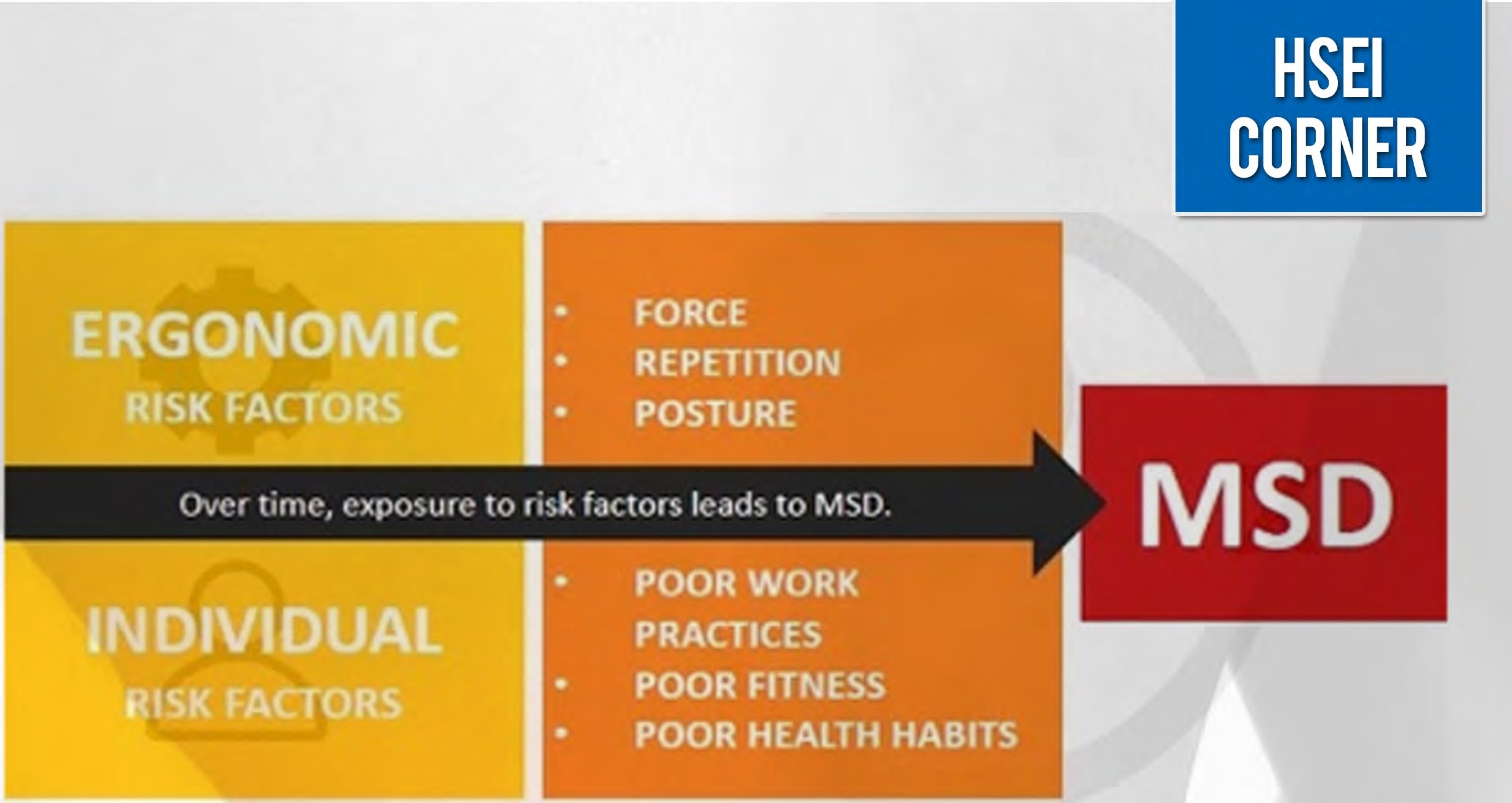 musculoskeletal imbalance. Over time, as fatigue continues to outrun recovery and the musculoskeletal imbalance persists, a musculoskeletal disorder develops.
These risk factors can be broken up into two categories: work-related (ergonomic) risk factors and individual-related risk factors.
Causes of MSDs
Most work-related MSDs develop over time. There is usually no single cause of MSDs; various factors often work in combination. Physical causes and organizational risk factors include:
- Handling loads, especially when bending and twisting
- Repetitive or forceful movements
- Awkward and static postures
- Vibration, poor lighting or cold working environments
- Fast-paced work
- Prolonged sitting or standing in the same position
Prevention of MSD requires a Partnership
Prevention of MSD requires a partnership between the company and each employee.
The employer is responsible for providing a safe place of work, sound ergonomic principles, proper training for all employees, and a clear focus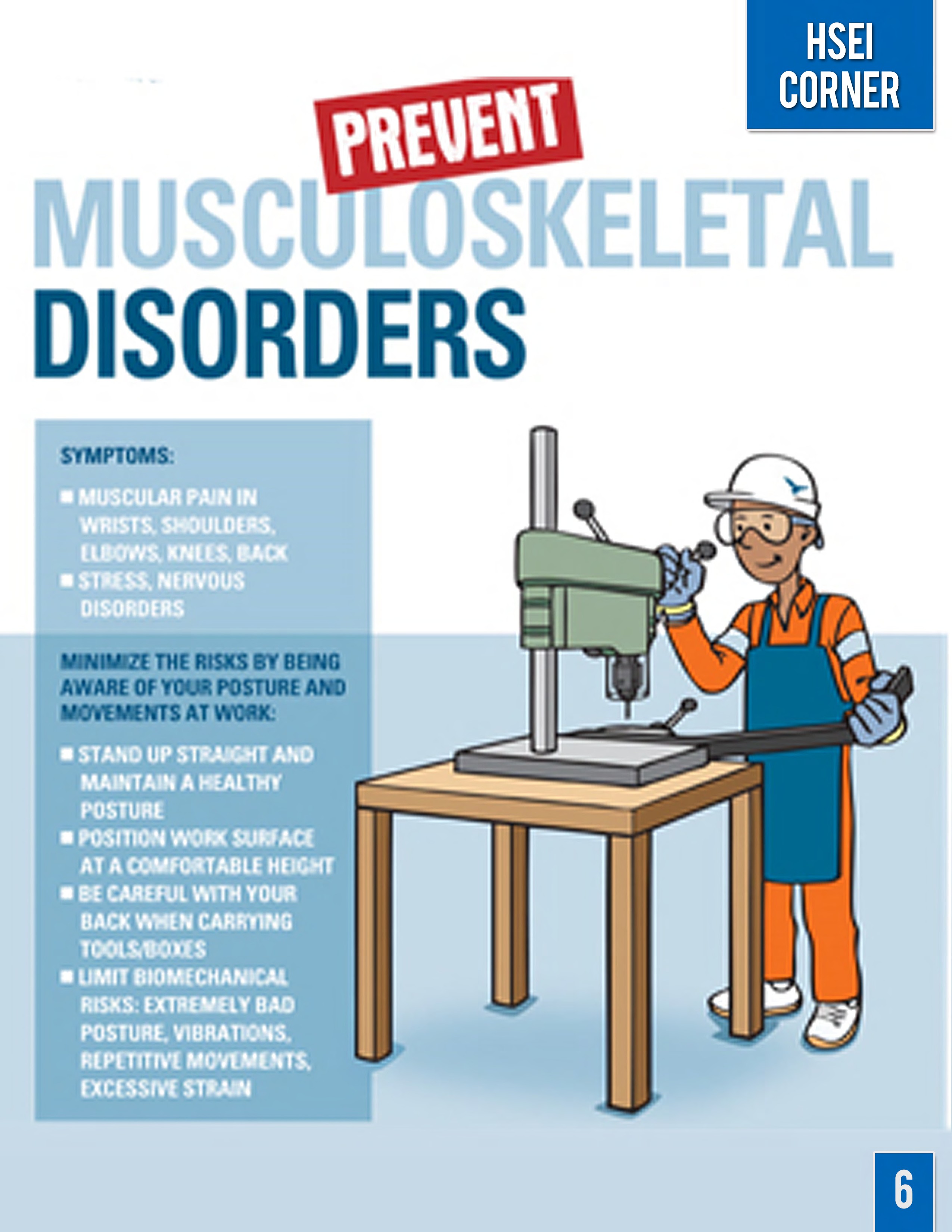 on safety culture within all levels of the organization.
Each employee is responsible for taking care of their bodies and staying fit for the work they have chosen to do. After all, it is their musculoskeletal system at risk. Using terms like “repetitive motion injury” absolves employees of this responsibility, allowing them to point to repetitive motion as the sole cause of their musculoskeletal issue.


 Seafarers were reported to suffer from serious disorders related to muscular and skeleton structure of their body. MSD is a main cause for many seafarers to take longer breaks from sea life, sometimes even leading to disability. As they say prevention is better than cure, exercise and stretching is recommended to prevent Musculoskeletal Disorder. Musculoskeletal disorders usually affect the back, neck, shoulders and upper limbs, but lower […])