Dental Hygiene
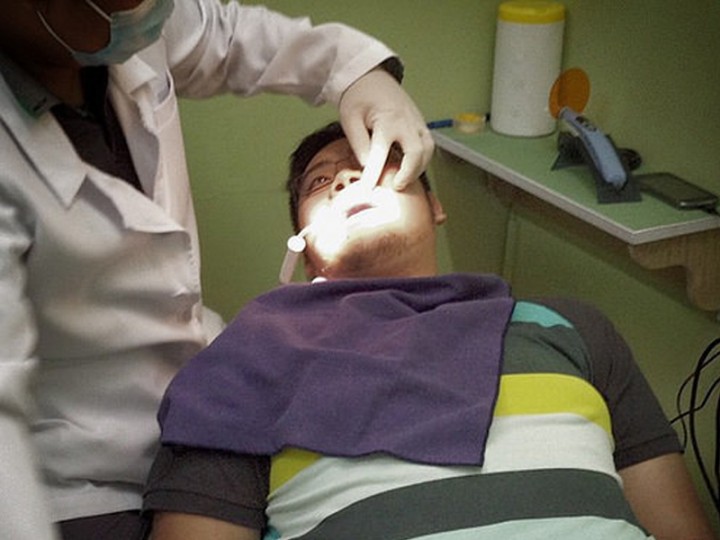
Regular dental exams not only help to decrease a person’s risk of oral diseases, such as cavities and Periodontal (gum) disease, but they may also help to diagnose other, sometimes life-threatening, medical conditions.
Dental Hygiene, the maintenance of the teeth and gums in healthy condition, especially by proper
brushing and the removal of plaque.
Causes of Dental Problems
Tooth decay is a common disorder, second only to the common cold. It usually occurs in children and young adults but can affect any person. Tooth decay is a common cause of tooth loss in younger people.
Bacteria are normally found in your mouth.
These bacteria change foods
— especially sugar and starch
— into acids. Bacteria, acid, food pieces, and saliva combine in the mouth to form a sticky substance called plaque.
Plaque sticks to the teeth. It is most common on the back molars, just above the gum line on all teeth, and at the edges of fillings.
Plaque that is not removed from the teeth turns into a substance called tartar. Plaque and tartar irritate the gums, resulting in gingivitis and periodontitis. Plaque begins to build up on teeth within 20 minutes after eating. If it is not removed, tooth decay will begin.
The acids in plaque damage the enamel covering your teeth, and create holes in the tooth (cavities). Cavities usually do not hurt, unless they grow very large and affect nerves or cause a tooth fracture. An untreated cavity can lead to a tooth abscess. Untreated tooth decay also destroys the inside of the tooth (pulp), which leads to tooth loss.
Carbohydrates (sugars and starches) increase the risk of tooth decay. Sticky foods are more harmful than non-sticky foods because they remain on the teeth. Frequent snacking increases the time that acids are in contact with the surface of the tooth.
Prevention and Health Teaching
- Brush your teeth at least twice a day with a fluoride-containing toothpaste. Preferably, brush after each meal and especially before going to bed.
- Clean between your teeth daily with dental floss or interdental cleaners.
- Eat nutritious and balanced meals and limit snacks. Avoid carbohydrates such as candy, pretzels and chips, which can remain on the tooth surface. If sticky foods are eaten, brush your teeth soon afterwards.
- Check with your dentist about use of supplemental fluoride, which strengthens your teeth.
- Ask your dentist about dental sealants (a plastic protective coating) applied to the chewing surfaces of your back teeth (molars) to protect them from decay.
- Drink fluoridated water. At least a pint of fluoridated water each day is needed to protect children from tooth decay.
- Visit your dentist regularly for professional cleanings and oral exam.
Brush your teeth three times a day after meals for a healthy and glowing teeth!


 disease, but they may also help to diagnose other, sometimes life-threatening, medical conditions. Dental Hygiene, the maintenance of the teeth and gums in healthy condition, especially by proper brushing and the removal of plaque. Causes of Dental Problems Tooth decay is a common disorder, second only to the common cold. […])