The Zika Virus
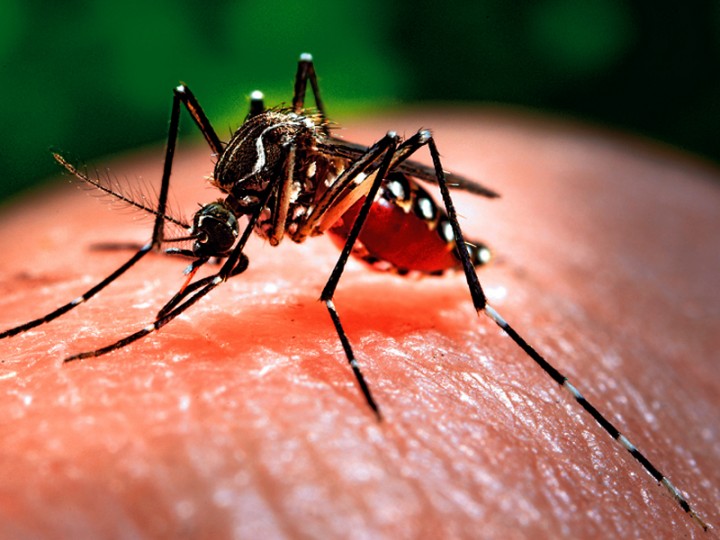
Zika virus disease is caused by a virus transmitted by Aedes mosquitoes. Peo-ple with Zika virus disease usually have symptoms that can include mild fever, skin rashes, conjunctivitis, muscle and joint pain, malaise or headache. These symptoms normally last for 2-7 days. There is no specific treatment or vaccine currently available. The best form of pre-vention is protection against mosquito bites. The virus is known to circulate in Africa, the Americas, Asia and the Pacific.
Zika virus is an emerging mosquito-borne virus that was first identified in Uganda in 1947 in rhesus monkeys through a monitoring network of sylvatic yellow fever. It was subsequently denti-fied in humans in 1952 in Uganda and the United Republic of Tanzania. Out-breaks of Zika virus disease have been recorded in Africa, the Americas, Asia and the Pacific.
Genre: Flavivirus
Vector: Aedes mosquitoes (which usually bite during the morning and late after-noon/evening hours)
Signs and Symptoms
The incubation period (the time from exposure to symptoms) of Zika virus dis-ease is not clear, but is likely to be a few days. The symptoms are similar to other arbovirus infections such as dengue, and include fever, skin rashes, conjunctivitis, muscle and joint pain, malaise, and headache. These symptoms are usually mild and last for 2-7 days.
Potential complications of Zika virus disease
During large outbreaks in French Poly-nesia and Brazil in 2013 and 2015 re-spectively, national health authorities reported potential neurological and auto-immune complications of Zika virus disease. Recently in Brazil, local health authorities have observed an increase in Guillain-Barré syndrome which coincided with Zika virus infections in the general public, as well as an increase in babies born with microcephaly in northeast Bra-zil. Agencies investigating the Zika out-breaks are finding an increasing body of evidence about the link between Zika virus and microcephaly. However, more investigation is needed to better under-stand the relationship etween micro-cephaly in babies and the Zika virus.
Other potential causes are also being investigated.
Transmission
Zika virus is transmitted to people through the bite of an infected mos-quito from the Aedes genus, mainly Aedes aegypti in tropical regions. This is the same mosquito that transmits dengue, chikungunya and yellow fever. However, sexual transmission of Zika virus has been described in 2 cases, and the presence of the Zika virus in semen in 1 additional case.
Zika virus disease outbreaks were re-ported for the first time from the Pacif-ic in 2007 and 2013 (Yap and French Polynesia, respectively), and in 2015 from the Americas (Brazil and Colom-bia) and Africa (Cape Verde). In addi-tion, more than 13 countries in the Americas have reported sporadic Zika virus infections indicating rapid geo-graphic expansion of Zika virus.
Diagnosis
Infection with Zika virus may be sus-pected based on symptoms and recent history (e.g. residence or travel to an area where Zika virus is known to be present). Zika virus diagnosis can only be confirmed by laboratory testing for the presence of Zika virus RNA in the blood or other body fluids, such as urine or saliva.
Prevention
Mosquitoes and their breeding sites pose a significant risk factor for Zika virus infection. Prevention and control relies on reducing mosquitoes through source reduction (removal and modifi-cation of breeding sites) and reducing contact between mosquitoes and peo-ple.
This can be done by using insect repel-lent regularly; wearing clothes (preferably light-colored) that cover as
much of the body as possible; using physical barriers such as window screens, closed doors and windows; and if needed, additional personal protec-tion, such as sleeping under mosquito nets during the day. It is extremely im-portant to empty, clean or cover con-tainers regularly that can store water, such as buckets, drums, pots etc. Other mosquito breeding sites should be cleaned or removed including flower pots, used tires and roof gutters. Com-munities must support the efforts of the local government to reduce the density of mosquitoes in their locality.
Repellents should contain DEET (N, N-diethyl-3-methylbenzamide), IR3535 (3-[N-acetyl-N-butyl]-aminopropionic acid ethyl ester) or icaridin (1-piperidinecarboxylic acid, 2-(2-hydroxyethyl)-1-methylpropylester). Product label instructions should be strictly followed. Special attention and help should be given to those who may not be able to protect themselves ade-quately, such as young children, the sick or elderly.
During outbreaks, health authorities may advise that spraying of insecticides be carried out. Insecticides recommended by the WHO Pesticide Evaluation Scheme may also be used as larvicides to treat relatively large water containers.
Travelers should take the basic precau-tions described above to protect them-selves from mosquito bites.
Treatment
Zika virus disease is usually relatively mild and requires no specific treatment. People sick with Zika virus should get plenty of rest, drink enough fluids, and treat pain and fever with common medi-cines. If symptoms worsen, they should seek medical care and advice. There is currently no vaccine available.
Source: webmd.com