HSSE Article 2- ANEURYSM
HSSE Article 2- ANEURYSM
What is an aneurysm?
An aneurysm is an arterial condition in which the wall of an artery weakens, creating a bulge, or distension of the artery.
An aneurysm can occur in important arteries such as those supplying blood to the brain, and the aorta; the large artery that originates at the left ventricle of the heart and passes down through the chest and abdominal cavities.
An aneurysm can also occur in peripheral arteries – usually behind the knee (popliteal aneurysms) – although rupture of these is relatively uncommon.
The two most important common locations for aneurysms are:
In the artery directly leaving the heart – an aortic aneurysm (including thoracic and, further down, abdominal aortic aneurysms). An aortic aneurysm is an enlargement (dilation) of the aorta to greater than 1.5 times normal size. They usually cause no symptoms except when ruptured. Occasionally, there may be abdominal, back, or leg pain. They are most commonly located in the abdominal aorta, but can also be located in the thoracic aorta. Aortic aneurysms cause weakness in the wall of the aorta and increase the risk of aortic rupture. When rupture occurs, massive internal bleeding results and, unless treated immediately, shock and death can occur.
In an artery in the brain – a cerebral aneurysm. A brain (cerebral) aneurysm is a bulging, weak area in the wall of an artery that supplies blood to the brain. In most cases, a brain aneurysm causes no symptoms and goes unnoticed. In rare cases, the brain aneurysm ruptures, releasing blood into the skull and causing a stroke. When a brain aneurysm ruptures, the result is called a subarachnoid hemorrhage. Depending on the severity of the hemorrhage, brain damage or death may result.
Risk Factors
A person may inherit the tendency to form aneurysms, or aneurysms may develop because of hardening of the arteries (atherosclerosis) and aging. Some risk factors that can lead to aneurysms are:
• Smoking
• High blood pressure or hypertension
• Congenital resulting from inborn abnormality in artery wall
• Family history of brain aneurysms
• Age over 40
• Drug use, particularly cocaine
• Infection
How to Avoid an Aneurysm
Aneurysms are often difficult to detect until they rupture, and equally difficult to prevent, but there are steps you can take to lower your risk of an aneurysm and understand whether you may need screening.[1] See below information:
Part 1: Getting Screened
1. Learn your family history. If at least two other members of your family have had aneurysms, either recently or in the past, you should be screened for the possibility of developing an aneurysm yourself. Doctors normally recommend such screenings every five years.
Most aneurysms are detected after the fact, when they’ve already become medical emergencies, or when brain imaging is performed for other purposes. Because it’s a difficult thing to screen for, most doctors will recommend against testing and looking for aneurysms that are not ruptured, unless you’ve experienced any of the symptoms or fit the profile of an aneurysm.
2. Recognize the symptoms of an aneurysm. If you experience eye pain, specifically pain coming from behind the eye, as well as blurry vision and paralysis of the face, you need to talk to your doctor immediately and request that a screen and scan be performed.
3. Learn the different types of scans. Your doctor may throw a lot of technical possibilities at you, so it helps to be somewhat informed before getting stuck in his or her office and getting locked into possibly-expensive tests that you might not want done. Generally, the scans performed will include:
• Computerized tomography (CT). This is a special kind of X-Ray usually used to detect bleeding. The scanner produces slice-like sections of your brain to examine, and might also involve injections of fluid that will illuminate the blood in the images.
• Magnetic resonance imaging (MRI). An MRI generally uses a combination of radio waves that interact within a magnetic field to produce a detailed 2D or 3D version of your brain. Fluid may also be injected to improve the image.
• Cerebrospinal fluid test. Also known as a “spinal tap,” this is used in cases in which you’ve experienced a hemorrhage that isn’t showing up on another scan.
• Despite the gruesome common name, most patients don’t experience much discomfort during or following the test.
• Cerebral angiogram. During this test, a thin probe is inserted near your groin and and threaded through your arteries to your brain to inject a dye, which is used to track the flow of blood and check for hemorrhaging. It’s the most invasive of the tests, only used when the others don’t reveal anything.
Part 2 : Manage your Health
1. Quit smoking. In addition to increasing the risk of developing emphysema and lung cancer, smoking also increases your chances of developing an aneurysm. You may need your doctor’s help to find the right program to help you quit.
Also avoid exposing yourself to secondhand smoke. If you fit the risk profile, avoid indoor areas that allow smoking.
2. Moderate your drinking. Drinking too much alcohol can also weaken blood vessel walls, increasing the possibility of developing an aneurysm. If you have other problems related to excessive drinking, you may need to give it up entirely.
3. Use drugs correctly. Abusing drugs, prescription or otherwise, can lead to inflammation in blood vessels and the formation of aneurysms. Habitual cocaine and amphetamine users are particularly susceptible to the development of brain aneurysms.
4. Adopt a healthy diet. Choose a diet with a variety of fruits, vegetables, whole grains, lean meat and non-meat protein sources. Avoid excess fats, cholesterol, sodium and sugar. Eat smaller portions, or start preparing more of your own meals to have more control over your portions. Consider eating several smaller meals throughout the day, rather than two or three big ones.
5. Exercise regularly. Maintain good cardio health and do some light strength training to maintain a healthy body weight and physique. Exercising at least 30 minutes every day will help you avoid an aneurysm or prevent one from rupturing. Your doctor can recommend suitable exercises for you if you want to get started. You don’t have to go all out. If you want to start exercising, try starting with:
• Light stretches in the morning before breakfast. Just doing some calisthenics for 15 or 20 minutes each morning will get you moving and can be a nice warm up to stimulate other activities.
• Short sets of sit-ups and pushups. You don’t have to start dead-lifting heavy weights or running marathons. Do sets of 20 sit-ups and 10 pushups to get started with and gradually work your way up.
• Check out some exercise videos online or at your local library for some guided instruction, or talk to your doctor for more possibilities.
6. Monitor your overall health. Key factors to avoiding an aneurysm or preventing one from rupturing include monitoring your weight, cholesterol, blood glucose and blood pressure levels. Scheduling regular doctor’s visits and staying on top of your health is the best way to avoid aneurysms altogether.
7.
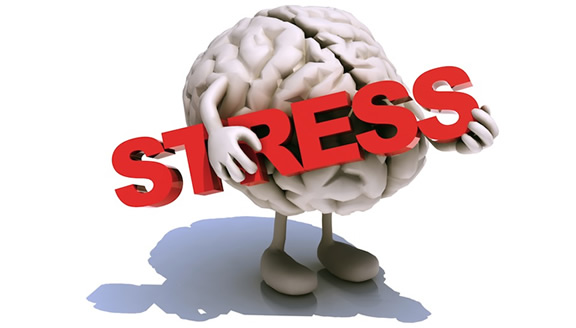
Part 3: Manage your stress
1. Learn to recognize stress triggers in your life. Taking steps to manage your stress level can help you avoid developing an aneurysm or, quite literally, “popping a blood vessel.” If you want to lessen the amount of stress in your life, start by learning to recognize the things that cause stress that you can work on. You might stressed out about:
• Relationship issues
• Work
• Family commitments
• Financial problems
• Other trauma
2. Participate in relaxing and healthy hobbies. You don’t have to start building ships in bottles to calm down. Find something that excites you and distracts you from the stresses of life. Want to start playing paintball? Get out there and try it. Do something that will be fun, something that exercises your mind and your body. Try:
• Playing games like poker or chess
• Doing outdoor activities like hiking, biking, or swimming
• Reading more
• Picking up an instrument, or renewing an interest in an old one
• Taking a class or lessons
3. Consider meditation. Studies have shown that oldest populations worldwide all have one thing in common: they all participate in quiet, restful activities that involve no speaking, each day. Many perfectly normal people enjoy the relaxation involved in meditation, and you don’t have to be a yoga master to experience the benefits.
• Simply sitting quietly in or outdoors for 20 or 30 minutes each day can drastically reduce your stress. Start watching the sunset or rise each day as a way of relaxing and centering yourself.
Sources:
http://www.heart.org
http://www.wikihow.com/Avoid-an-Aneurysm